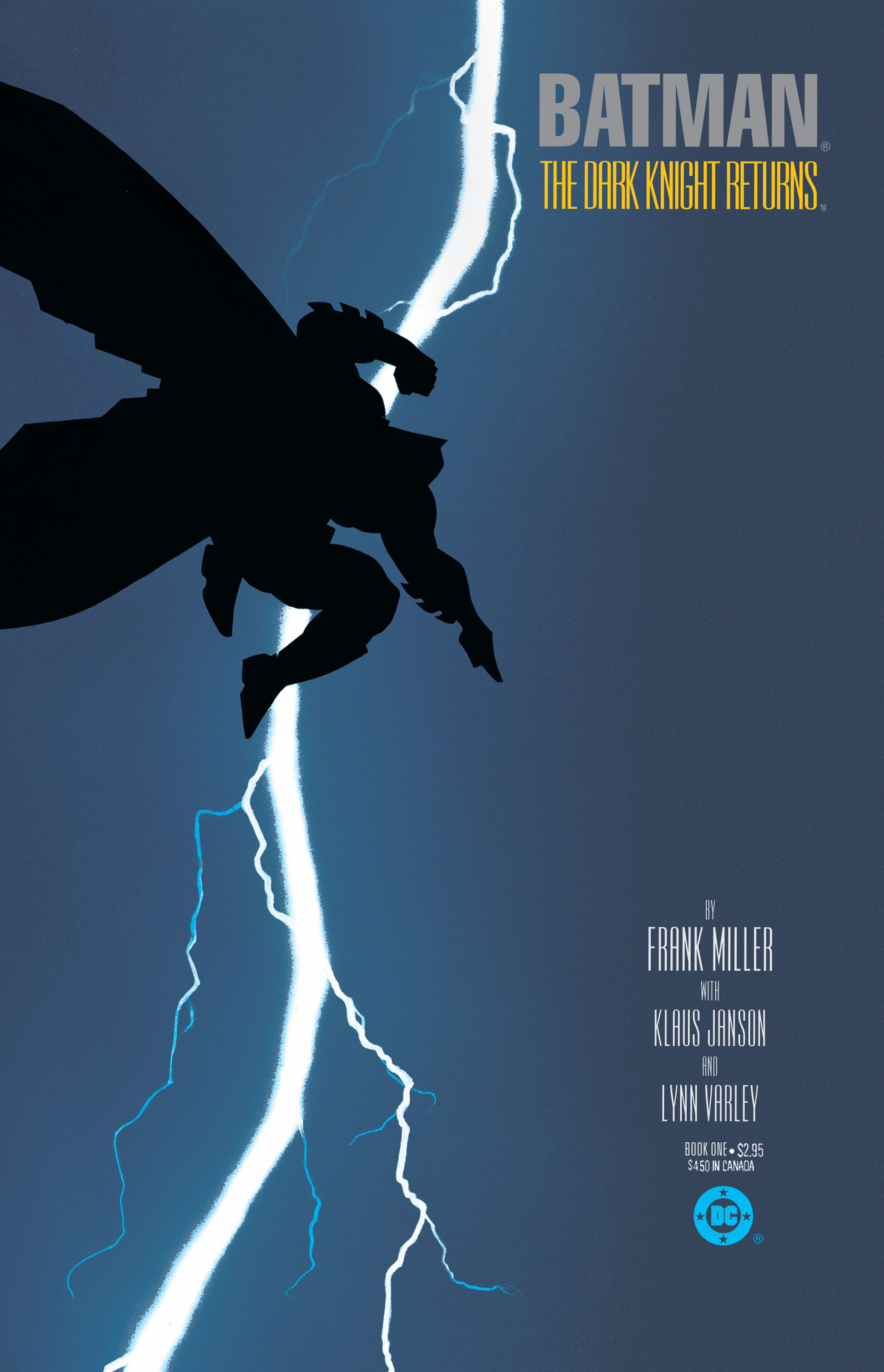
Nation of Language - Across That Fine Line
And I'm watching you walk
Across that fine lineI died a hundred timesI reckon you couldLet it bleed'Cause I'm resigned
posted by Ricky at 23:51
linkar para este post
0 Comentários


This site will look much better in a browser that supports web standards, but it is accessible to any browser or Internet device.
Assinar
Postagens [Atom]

Fragmentos de textos e imagens catadas nesta tela, capturadas desta web, varridas de jornais, revistas, livros, sons, filtradas pelos olhos e ouvidos e escorrendo pelos dedos para serem derramadas sobre as teclas... e viverem eterna e instanta neamente num logradouro digital. Desagua douro de pensa mentos.
And I'm watching you walk
Across that fine lineI died a hundred timesI reckon you couldLet it bleed'Cause I'm resigned
posted by Ricky at 23:51
linkar para este post
0 Comentários

"When you’ve witnessed the horror of war, you believe it should be a last resort — not an abyss we tumble into without legal basis or clear objectives, pushing us all unnecessarily into a riskier world in which the only certainty is bloodshed."
read column by NICHOLAS KRISTOF
posted by Ricky at 20:30
linkar para este post
0 Comentários
Usted abusóSacó provecho de mí, abusóSacó partido de mí, abusóDe mi cariño usted abusó
posted by Ricky at 15:42
linkar para este post
0 Comentários

"And now we have to ask the question no one wants to ask: how much of our own government is compromised? How many men sitting in power aren’t there to serve the public, but to protect secrets? How many of the decisions being made right now are not about what helps the American people, but about what keeps those secrets buried? Because once you look at this moment through that lens, things start making a very different kind of sense. A terrifying kind of sense"
READ STACK BY HEATHER DELANEY REESE
posted by Ricky at 16:40
linkar para este post
0 Comentários
posted by Ricky at 15:39
linkar para este post
0 Comentários
Pero mi corazón nunca ha sido míoYo siempre lo doyCoge un trozo de míQuédatelo pa' cuando no estéSeré tu reliquiaSoy tu reliquia
posted by Ricky at 21:11
linkar para este post
0 Comentários

posted by Ricky at 20:31
linkar para este post
0 Comentários
IN MEMORIAM WILLIE COLON
posted by Ricky at 16:04
linkar para este post
0 Comentários
In the clearing stands a boxer
And a fighter by his tradeAnd he carries the remindersOf every glove that laid him downOr cut him till he cried outIn his anger and his shame"I am leaving, I am leaving"But the fighter still remains
posted by Ricky at 15:59
linkar para este post
0 Comentários

"The fact that Wiseman’s half-century-long project is a series of cinéma-vérité documentaries about American institutions, their titles often reading like generic brand labels — “High School,” “Hospital,” “The Store,” “Public Housing,” “State Legislature” — makes its achievement all the more remarkable but also easier to overlook. Beginning with “Titicut Follies” (1967), a portrait of a Massachusetts asylum for the criminally insane that remains shocking to this day, Wiseman has directed nearly a picture a year, spending weeks, sometimes months, embedded in a strictly demarcated space — a welfare office in Lower Manhattan, a sleepy fishing village in Maine, the Yerkes Primate Research Center at Emory University, the flagship Neiman Marcus department store in Dallas, the New York Public Library, a shelter for victims of domestic violence in Tampa, Fla., a Miami zoo — then editing the upward of a hundred hours of footage he brings home into an idiosyncratic record of what he witnessed. Taken as a whole, the films present an unrivaled survey of how systems operate in our country, with care paid to every line of the organizational chart.
They
also represent the work of an artist of extraordinary vision. The films
are long, strange and uncompromising. They can be darkly comic,
uncomfortably voyeuristic, as surreal as any David Lynch dream sequence.
There are no voice-overs, explanatory intertitles or interviews with
talking heads, and depending on the sequence and our own sensibility, we
may picture the ever-silent Wiseman as a deeply empathetic listener or
an icy Martian anthropologist."
read essay by MARK BINELLI

posted by Ricky at 22:04
linkar para este post
0 Comentários

"Associações, empresários e frentes parlamentares definiram um plano para tentar frear o fim da jornada de trabalho 6x1 —seis dias de trabalho e um de descanso— com três tipos de abordagem. Eles planejam atuar para que a votação fique para depois da eleição, preparar estudos e campanhas para mostrar os pontos negativos da mudança e apresentar propostas alternativas, como a desoneração da folha de salários ou autorizar o pagamento por hora trabalhada."
leia reportagem de
Raphael Di Cunto
Fernanda Brigatti
posted by Ricky at 20:12
linkar para este post
0 Comentários
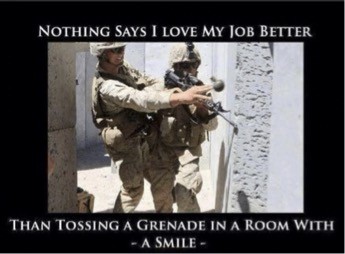
"The Trump administration and its Department of Homeland Security have made frame perversion a signature feature of their social media presence. On Valentine’s Day 2025, the White House posted images of Trump and his border czar, Tom Homan, set against a pink backdrop and paired with a sing-song rhyme: “Roses are red / Violets are blue / Come here illegally / And we’ll deport you.” As Christmas approached later that year, the official ICEgov Instagram account shared an AI-generated image of an “ICE AIR” flight full of deportees pulled through the sky by Santa’s reindeer, captioned: “Avoid ICE AIR and go Ho Ho Home…” In each case, cheerful, familiar holiday imagery provides the setup; state violence supplies the punchline.
The frame perversion pattern reached its
most chilling form in another White House post labeled “ASMR: Illegal
Alien Deportation Flight.” ASMR—short for “Autonomous Sensory Meridian
Response”—usually refers to videos designed to produce calm or pleasure
through soft, repetitive sounds. Here, that “soothing” frame was
supplied by the hum of jet engines, the metallic rattle of chains pulled
from a crate, the click of handcuffs, the quiet clink of leg shackles
with each step up the gangway. These sounds are meant to relax the
viewer, even as they mark the forcible end of someone’s life as they
know it. Frame perversion, in this case, does not merely normalize
cruelty. It invites the audience to relax pleasurably within it."
read analysis by
posted by Ricky at 20:01
linkar para este post
0 Comentários
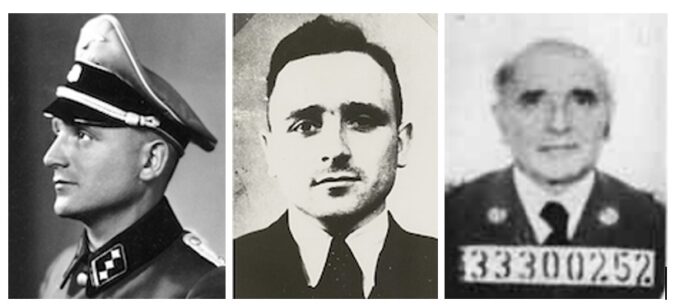
"By the time Klaus Barbie went on the payroll of an American intelligence organization in 1947, he had lived several lifetimes of human vileness. Barbie sought out opponents of the Nazis in Holland, chasing them down with dogs. He had worked for the Nazi mobile death squads on the Eastern Front, massacring Slavs and Jews. He’d put in two years heading the Gestapo in Lyons, France, torturing to death Jews and French Resistance fighters (among them the head of the Resistance, Jean Moulin). After the liberation of France, Barbie participated in the final Nazi killing frenzy before the Allies moved into Germany.
Yet the career of this heinous war criminal scarcely skipped a beat before he found himself securing entry on the US payroll in postwar Germany. The Barbie was shipped out of Europe by his new paymasters along the “ratline’ to Bolivia. There, he began a new life remarkably similar to his old one: working for the secret police, doing the bidding of drug lords and engaging in arms trafficking across South America. Soon, his old skills as a torturer became in high demand."
read more by Jeffrey St. Clair
posted by Ricky at 15:14
linkar para este post
0 Comentários
Meu pai me disse algo quando eu era muito pequeno para me prover de confiança. "Ninguém no mundo vale mais do que você, mas também ninguém vale menos". É uma visão egualitária que tenho carregado pela vida. É por isso que sou a favor do ensino gratuito., de universidades gratuitas, de saúde gratuito e de creches gratuitas. Porque a nossa sociedade pode bancar isso. Nos Estados Unidos, as pessoas acham que democracia social é algum tipo de comunismo. Pensam que capitalismo é liberdade. Não é. É apenas a liberdade de explorar as pessoas. "
Stellan Skarsgård, ATOR
posted by Ricky at 14:45
linkar para este post
0 Comentários
Era una ciudad de plástico
De esas que no quiero ver
De edificios cancerosos y un corazón de oropel
Donde en vez de un Sol amanece un dólar
Donde nadie ríe, donde nadie llora
Con gente de rostros de poliéster
Que escuchan sin oír y miran sin ver
Gente que vendió por comodidad
Su razón de ser y su libertad
IN MEMORIA WILLIE COLON
posted by Ricky at 14:39
linkar para este post
0 Comentários
e o blog0news continua…
visite a lista de arquivos na coluna da esquerda
para passear pelos posts passados

Mas uso mesmo é o

ESTATÍSTICAS
SITEMETER